
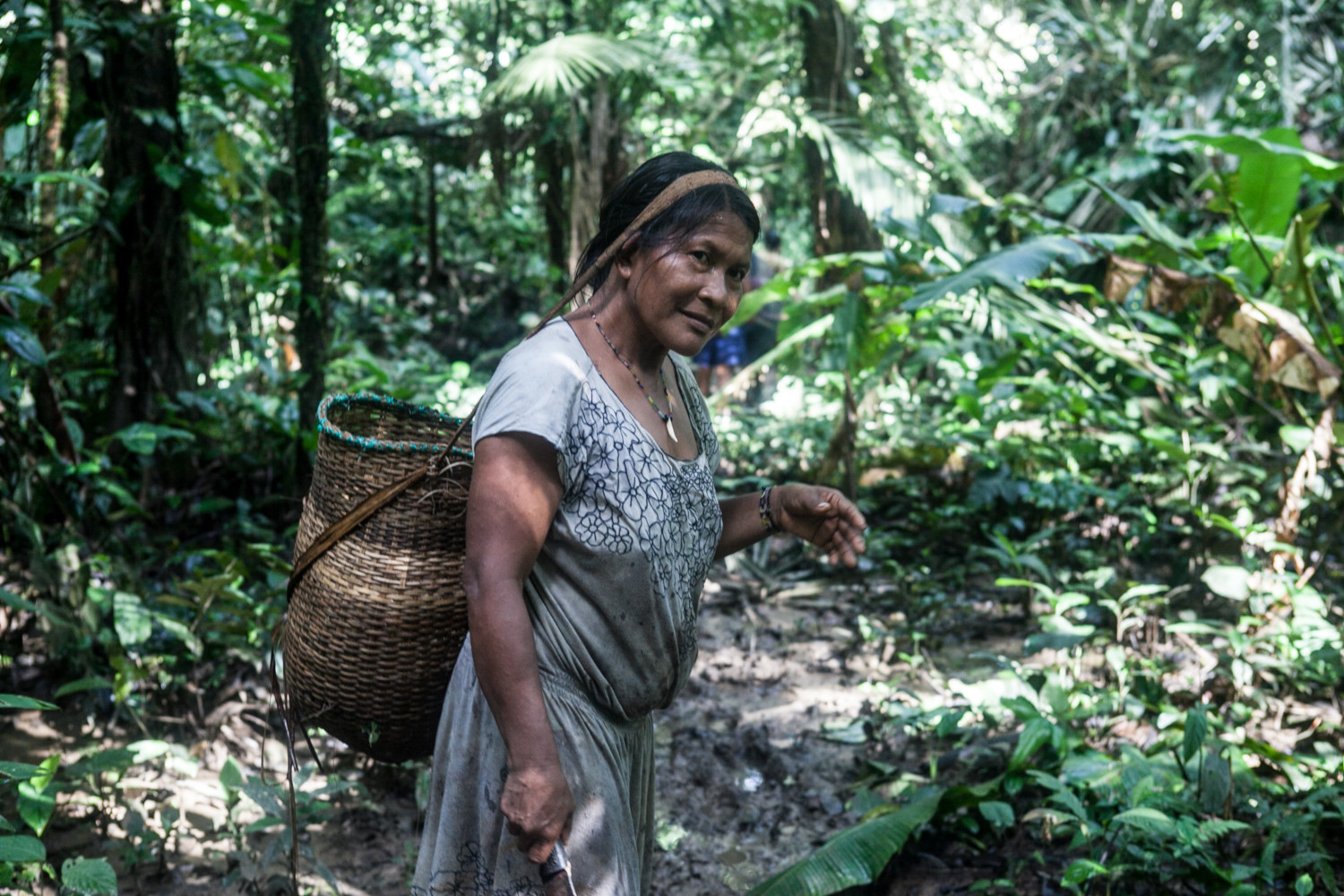
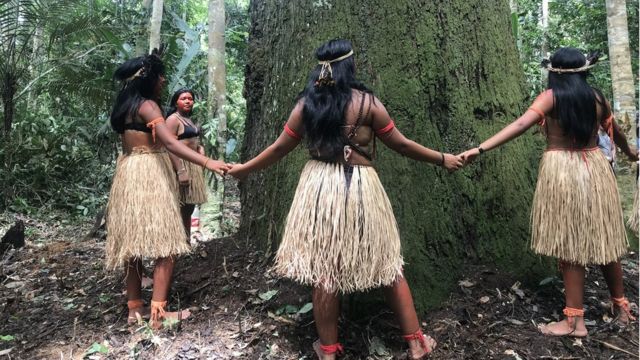
Bolsa Verde (BV) – or ‘Green Grant’ is a pro-poor environmental incentive program implemented in the Brazilian Amazon region. The program was first initiated in June 2011 during the preparation of the Brazil Without Extreme Poverty Plan (PBSM). The Program was motivated by the deforestation that occurred between 1970 and 2009 in the Amazon rainforest, which reached 600,000 km2. Deforestation occurs as a result of human activities that include animal husbandry, illegal logging, and agriculture-plantation. This is coupled with data showing that the poor and very poor in Brazil, the majority live in the Amazon rainforest. Thus, it is felt that there is a need for a scheme that accommodates both of these things, through a program initiated by several ministries and contained in law No. 12,512 dated October 14, 2011 and regulated through Decree No. 7,572 on September 28, 2011, which became known as Bolsa Verde.
Bolsa Verde aims to reduce extreme poverty as well as familiarize ecosystem conservation and sustainable use activities to the community around the A mazon forest in the hope of reducing the level of deforestation. Schematically, we can say that this program is almost similar to the PES (Payment for ecosystem services) program, where communities are given incentives for their commitment to engage in conservation activities and the use of Natural Resources in a sustainable way. A little different from PES, this program specifically targets people who have a per capita income of R$ 77. This Program requires communities to maintain forest cover above 80% as stated in the Terms of adhesion (Figure 1).
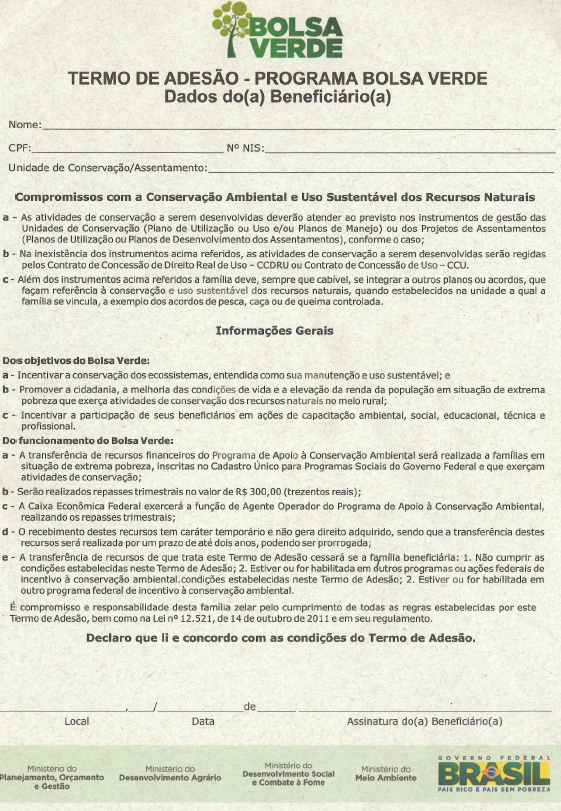
Gambar 1 Term of adhesion Bolsa Verde
The Bolsa Verde Program provides new spaces for people in the improvement of their economy through the creation of jobs with the training provided. The training provided includes alternative land use, sustainable production and business development, as well as marketing of environmentally friendly products. In support of this, concrete rules for the sustainable use of Natural Resources and environmental conservation are established and described in management or regulatory publications according to priority areas. The Conservation Unit includes documents on utilization plans, Management Plans, effective use rights concessions, and fisheries agreements. These regulations allow communities to collect fruits, extract latex, engage in artisanal fishing, and make crafts from natural resources.
The implementation of the Bolsa Verde program covers 61% of the Legal forest area of the amazon. Since it was first introduced, this program has had a positive impact on reducing deforestation in the amazon forest. According to Oxfam (2020), there was a decrease in deforestation of between 44-53% compared to business as usual. According to Wong et al. (2019) there has been a decrease in deforestation with an estimated decrease of 0.27-0.7 ha/beneficiary.
Indonesia apparently has a similar program, namely Forest Investment Program-1 (FIP-1). FIP-1 is an investment program in the forestry sector that focuses on Indigenous peoples in addressing and controlling the causes of deforestation and forest degradation through the implementation of REDD+ and increasing forest carbon stock activities. In addition, FIP-1 also encourages community improvement through the use of non-timber forest products coupled with various trainings to support tools and capital. The FIP-1 Program was implemented in two districts, Kapuas Hulu and Sintang, West Kalimantan province. Almost more than 7000 people were involved and more than 30000 ha of land was managed from this program. PT Bhumi Pasa Hijau is involved in this program through the creation of a technical design of the ANR (Assisted Natural Regeneration) program on 6000 ha of degraded land and the preparation of a strategy for ending the FIP-1 program.
Hopefully in the future, in Indonesia there will be more community involvement programs to reduce the level of deforestation. Bolsa Verde can be one of the successful examples of community involvement in reducing deforestation, but other successful examples such as the FIP-1 program in West Kalimantan province, can be a reference in the preparation of future programs. Moreover, with the combination of FOLU Net sink 2030, the author hopes that deforestation will continue to decline, in line with the increasing welfare of the people around the forest.
Source:
Bindo, M. (2012). Bolsa Verde: Eradicating Extreme Poverty and Conserving the Environment. General Report by the Presidency of the Federative Republic of Brazil.
ECLAC (2019). Non-contributory Social Protection Programmes Database. https://dds.cepal.org/bpsnc/programme?id=60
Ministry of Social Development (MDS). (2016). Pesquisa de Avaliacao Qualitativa do Programa Bolsa Verde, Sumario Excutivo.
Oxfam. 2020. Inspiring Better Futures series : Bolsa verde (Protecting people and the forest)
Wong PY, Harding T, Kurlabeyeva K, Anderson LO, Pessoa AM. (2019). Pay for Performance and Deforestation: Evidence from Brazil. https://sites.google.com/site/poyinpywong/research