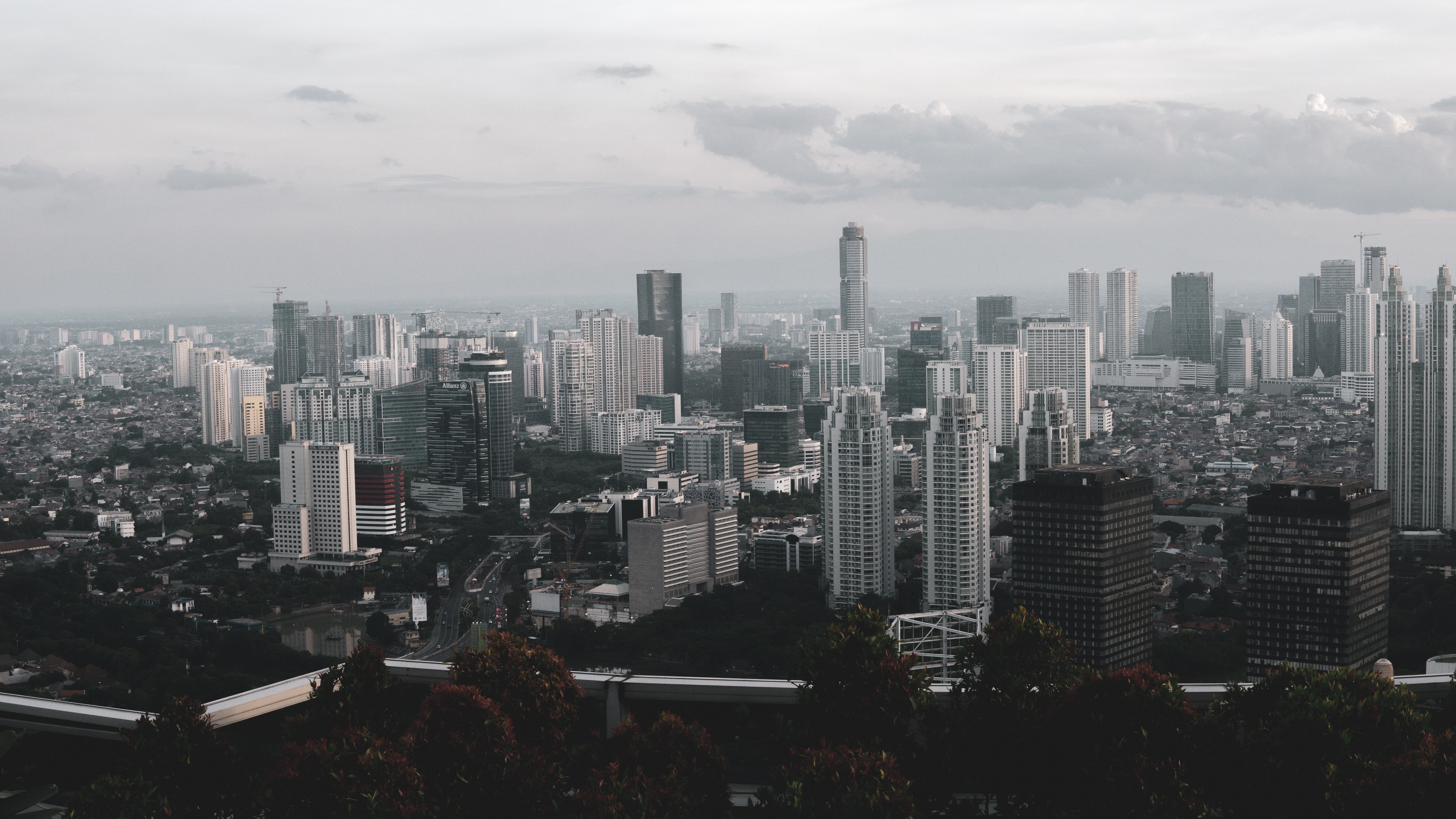
During the COVID-19 pandemic in 2020, the majority of people did their activities online to reduce interaction between people. So that the mobility of people outside the home tends to decrease. The decline in community mobility has a positive impact on air quality, especially in the capital Jakarta. Air Quality Index in Jakarta based on the IQ Air : World Air Quality Report 2020 report, the city of Jakarta has an average annual air quality index of 39.60. The smaller the value in the Air Quality Index issued by IQ Air, the better the air quality. In the report, in 2020 Jakarta ranks 7th, the city with the worst quality index in Southeast Asia and is still classified as an unhealthy sensitive group. What exactly is the air quality index?
Air Quality Index (AQI) is a measure used to assess air pollution in an area. The air quality index value obtained by IQ Air through the measurement of the concentration of the smallest air pollutant particles or particulate matter (PM) 2.5 through measurement stations in several locations in Jakarta. In addition to IQ Air, Indonesia actually has its own air quality index managed by Kementerian Lingkungan Hidup dan Kehutanan (KLHK), namely the Air Quality Index (IKU) which is published annually in the Environmental Quality Index (IKLH). The parameters used by KLHK are slightly different from those used by IQ Air. KLHK uses SO2 and NO2 pollutant parameters in determining the Air Quality Index and only a few areas already have monitoring stations for PM 2.5 and PM 10 measurements. So how is the air quality index in Jakarta in 2020 based on KLHK?
Based on the 2020 IKLH report, Jakarta province has an IKU value of 66.69 which is quite good. In contrast to the water IQ value, the smaller the number obtained on the IKU indicates that the worse the air quality in the province. Based on the air quality index values obtained from KLHK and IQ Air, it can be said that in 2020 the average annual Air Quality Index in Jakarta is still quite good.
However, after the COVID-19 pandemic gradually improved, several activities began to be carried out face-to-face such as teaching and learning activities in schools and offices that implement work from office. This has led to an increase in community mobility over the past week so that the use of private vehicles and public transportation by the community has increased. Recorded since June 21, 2022, The Jakarta Air Quality Index based on IQ Air ranks second in the list of cities with the worst air quality in Indonesia.
Based on data obtained from the IQ Air Visual Website, the air quality index value in Jakarta at that time reached 159 and was classified as unhealthy. The number of motor vehicles, lack of green open space, and massive development are some of the things that can trigger a decrease in air quality in Jakarta. Unfortunately, in 2022, the KLHK has not released the air quality index value so there is no relevant and reliable information from the government about air quality in Jakarta at this time.