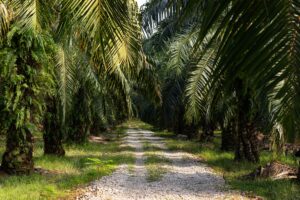
Indonesia’s forests are not only landscapes rich in biodiversity, but also a field of service for foresters. As we commemorate Hari Bakti Rimbawan (Foresters’ Day) 16 March 2026, this occasion serves as a reminder that protecting forests is not merely a technical task, but a calling to ensure the sustainability of ecosystems as well as the well-being of the communities that depend on them. Various forms of forestry service have evolved over time, ranging from conservation to community-based development approaches.
Since the early days of modern forestry in Indonesia, foresters have played a strategic role in maintaining a balance between the ecological, economic, and social functions of forests. This role is not limited to the protection of forest areas, but also extends to efforts to empower communities living near forests.
Indonesia’s forestry journey highlights the increasingly complex challenges of forest management. Climate change, pressure on land, and the need for economic development require a more adaptive and inclusive management approach. Therefore, the role of foresters is no longer limited to forest conservation but also involves developing management models capable of delivering both ecological and economic benefits to communities. We believe that forest sustainability can be achieved when the communities living near those forests are prosperous.
In the future, Indonesia’s forestry sector should prioritize landscape-based approaches and community participation as crucial components. Foresters are expected to integrate science, technology, and local knowledge into forest management. One approach that is gaining traction is intensive agroforestry. According to Santoso et al. (2025), intensive agroforestry is an agroforestry system managed intensively to foster sustainable, community-based entrepreneurship utilizing diverse natural resources. This approach is not only oriented toward forest rehabilitation or the provision of subsistence economic resources, but also emphasizes integration with market supply chains, processing industries, and extension services that provide knowledge and technology packages. Through this integration, intensive agroforestry aims to increase productivity, sustainability, and a more equitable distribution of benefits for the community.
Bhumi Pasa Hijau is currently supporting the Tunas Harapan Mandiri Forest Farmers Group in the development of intensive agroforestry within the Social Forestry area in Sinarmekar Village, Tegalbuleud Subdistrict, Sukabumi Regency, in collaboration with Yayasan Bumi Karuhun Kadudampit (YBKK). In this support process, the community is positioned as the subject of development by involving them from the initial planning stage, so that the community’s aspirations, needs, and local knowledge can serve as the foundation for activity development. The local knowledge already possessed by the community is then reinforced with a scientific foundation drawn from various academic references and practical experience, thereby continuously enhancing the community’s capacity to manage land sustainably. Throughout the mentoring process, facilitators who live and interact daily with the community serve as a bridge connecting the community to various knowledge centers, while also providing a space for discussion and a place for the community to share experiences as they face the various challenges they encounter.
Hari Bakti Rimbawan becomes a moment to reflect on the meaning of dedication within the forestry profession. This dedication is reflected not only in efforts to preserve forest cover but also in building management systems capable of providing long-term benefits for the environment and communities.
The development of agroforestry through programs currently being implemented by BPH in collaboration with YBKK demonstrates that collaboration between foresters, communities, and various stakeholders can lead to more sustainable forest management. Through this approach, forests are viewed not merely as areas that must be protected, but also as sources of life managed wisely. Nevertheless, this model continues to evolve and adapt to dynamic environmental and social conditions.
In the future, the role of foresters will become even more important in balancing the interests of conservation, development, and community well-being. With a spirit of service that continues to grow stronger, Indonesian foresters are expected to lead the way in preserving forests while building a more sustainable future for the forestry sector.
Reference:
Santoso H, Putra ETS, Ardian D, Purwanto E. 2025. Mengarusutamakan Agroforestri Intensif: Menuju Wirausaha Agroforestri Berbasis Masyarakat yang Berkelanjutan. Kertas Kebijakan. Bogor: Tropenbos Indonesia dan Kedutaan Besar Belanda di Indonesia.